Summary
- The U.S. issued a 6 February 2026 Executive Order establishing a legal and administrative process to impose additional tariffs (up to 25%) on imports from countries that directly or indirectly trade with Iran. [yahoo.com], [whitehouse.gov]
- The Department of Commerce will determine which countries acquire goods or services from Iran, while the Secretary of State and other agencies will assess tariff levels, with the President retaining final discretion. [whitehouse.gov]
- The tariff framework took effect on 7 February 2026, and no country-specific tariff actions have been announced yet. [kpmg.com]
More details …
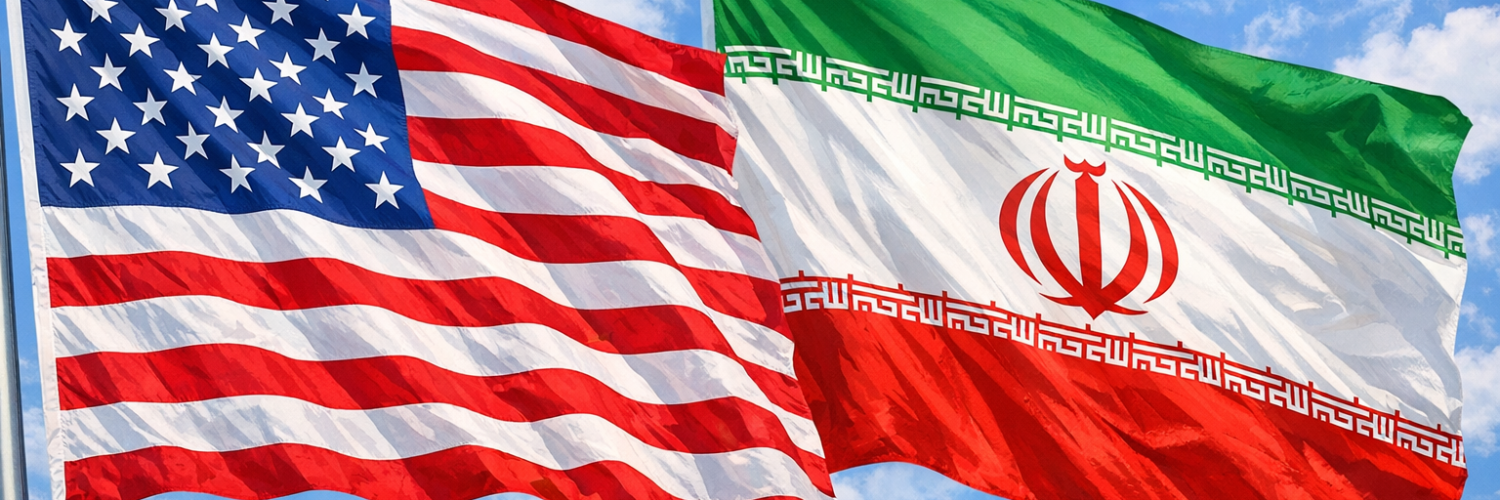
The United States has formalized a new tariff framework targeting countries that engage in commercial activity with Iran, following through on earlier announcements made in January 2026. On 6 February 2026, the President signed an Executive Order establishing the legal and administrative foundation for imposing additional tariffs on imports originating from countries that directly or indirectly acquire goods or services from Iran. [yahoo.com]
The White House simultaneously issued a fact sheet detailing the objectives of the policy, emphasizing national security, foreign policy interests, and economic protection as central motivations. The Order outlines a structured decision-making process involving multiple federal agencies, with final determinations resting with the President. [whitehouse.gov]
Key Provisions of the Executive Order
Authority to Impose Additional Tariffs
The Order authorizes the imposition of additional ad valorem duties—up to 25%—on U.S. imports from any country determined to be trading with Iran. This aligns with earlier statements noting that goods from countries continuing Iran-linked trade may face tariffs at similar levels. [gulfnews.com]
Role of Federal Agencies
- Department of Commerce: Determines whether a foreign country is acquiring Iranian goods or services.
- Secretary of State, in coordination with other agencies: Evaluates whether tariffs should be imposed and at what rate.
- President: Retains ultimate authority to impose, modify, or waive such duties based on evolving circumstances, including geopolitical developments or retaliatory actions. [whitehouse.gov]
Scope and Rationale
According to the White House fact sheet, the measure aims to counter:
- Iran’s pursuit of nuclear capabilities
- Support for terrorist organizations
- Ballistic missile development
- Regional destabilization
These threats were described as constituting an “unusual and extraordinary threat” requiring a sustained U.S. response. [yahoo.com]
Effective Date and Current Status
The tariff framework took effect on 7 February 2026, establishing the structure for future tariff determinations. As of now, no country-specific tariff actions or determinations have been issued under the new mechanism. [kpmg.com]
Looking Ahead
The implementation process is still in its early stages. Additional rules, guidance, or country-specific determinations will be developed in the coming months as agencies carry out their new responsibilities under the Order. The IBFD will continue monitoring the rollout of this framework and will report on significant updates, including any guidance or tariff decisions announced by U.S. authorities.
Useful Links
- White House Fact Sheet (February 6, 2026)
https://www.whitehouse.gov/fact-sheets/2026/02/fact-sheet-president-donald-j-trump-addresses-threats-to-the-united-states-by-the-government-of-iran/ [whitehouse.gov] - News Coverage – Dallas Express / Yahoo News
https://www.yahoo.com/news/articles/trump-moves-punish-countries-doing-190013094.html [yahoo.com] - KPMG TaxNewsFlash Summary
https://kpmg.com/us/en/taxnewsflash/news/2026/02/united-states-process-tariffs-countries-trade-iran.html [kpmg.com] - Gulf News Explainer on Tariff Framework
https://gulfnews.com/world/americas/trump-signs-order-threatening-tariffs-on-countries-trading-with-iran-1.500434918 [gulfnews.com]
Latest Posts in "Iran"
- US Announces Immediate 25% Tariff on Countries Doing Business with Iran
- Iranian Lawmakers Reject VAT Hike, Keep Rate at 10% for 2026 Budget
- Iranian Parliament Approves Budget Bill, Lowers VAT to 10%, Sends to Committees for Review
- Bandar Abbas Traders Protest 10% VAT Hike, Demand Repeal of New Tax Directives
- North Khorasan Province’s Exports Increase by 123 percent in 11 Months