

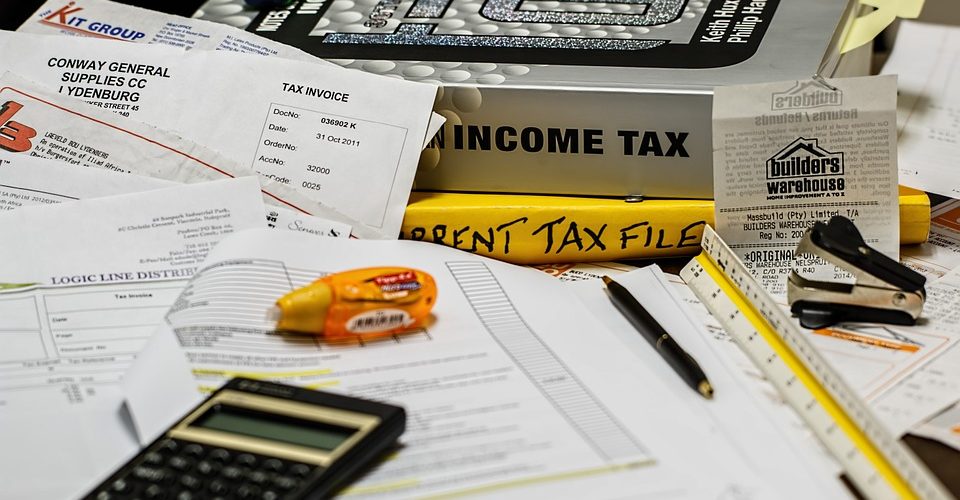
The tax invoice is arguably the most important element in a VAT or GST system – underpins the ability for a business to reclaim the VAT on its purchases, as well as the basis for tax calculation, reporting, posting to the ERP and auditing by tax authorities. While the direction of travel is clear – it is e-invoicing and real-time digital reporting of transactional level data, there are lots of unique invoicing requirements around the globe, including in relation to contents, storage, language and currency. We have set out our top ten tax invoicing pitfalls to be aware of if you do business internationally.
- 1. Language
- 2. Sequential numbering
- 3. Digital signatures
- 4. PDF is generally not an electronic invoice for VAT purposes
- 5. Supplier and customer VAT numbers
- 6. Storage and archiving
- 7. Currency and exchange rates
- 8. Description of the goods or services
- 9. Commercial and legal requirements
- 10. Self-billing
Source Avalara
Latest Posts in "World"
- VAT Concepts Explained: E-Commerce & Platforms: Deemed Supplier Rules, OSS/IOSS, Marketplace Liability, and Returns
- What we learned in Warsaw: Highlights from the IVA’s Spring Conference 2026
- Recent ECJ and General Court VAT Jurisprudence and Implications for EU Compliance – May 2026
- VAT headaches: Reverse-Charge Mistakes – When Suppliers Charge VAT on Reverse-Charge Transactions
- E–invoicing Developments Tracker











