Summary
- A targeted UK zero rate applies from 23 June 2026 to qualifying medicines supplied free of charge, subject to enactment. Covered circumstances include NHS patient treatment, the Early Access to Medicines Scheme, clinical trials and qualifying continued treatment after a trial, including eligible supplies made through an intermediary. Further implementation.
- The measure addresses deemed-supply VAT that could otherwise arise when businesses provide medicines without consideration after recovering related input tax. Zero rating removes output VAT on qualifying donations while preserving the importance of accurate classification. Free samples, commercial promotions and donations outside the statutory purposes should not automatically receive identical.
- Pharmaceutical companies and importers must obtain and retain recipient certification confirming qualifying use. Controls should capture the recipient, medicine, purpose, supply date, trial or access-programme reference and intermediary chain. ERP tax codes, donation approvals, import documentation and reconciliations should distinguish qualifying zero-rated supplies from other free-of-charge movements and deemed supplies.
Extended article
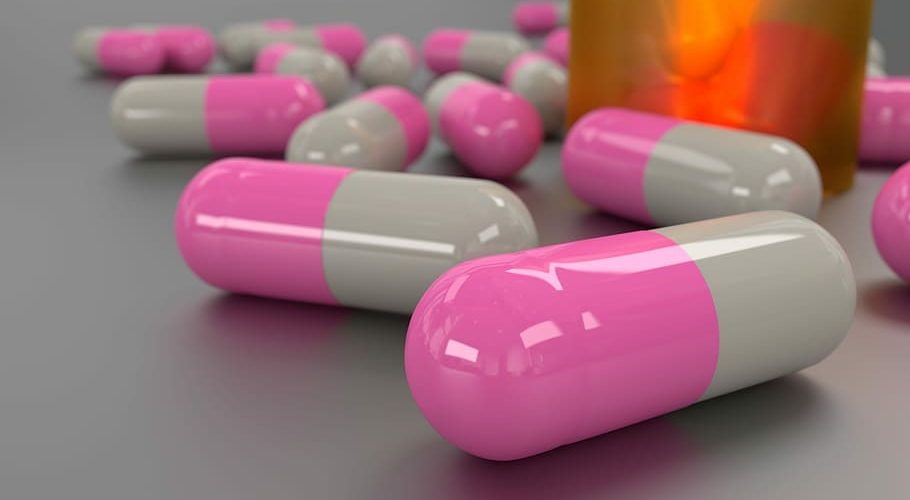
The United Kingdom has introduced a targeted VAT zero rate for medicines supplied free of charge in qualifying circumstances. HMRC states that the treatment applies from 23 June 2026, subject to enactment. The measure follows concern that ordinary deemed-supply rules could create output VAT where pharmaceutical businesses donate medicines after recovering VAT on related costs. The qualifying scope includes licensed and unlicensed medicines donated for NHS patient treatment, medicines supplied through the Early Access to Medicines Scheme, medicines used in clinical trials and continued treatment for patients who benefited from a trial. Supplies through an intermediary may also qualify when
the underlying conditions are met. “Donated to the NHS” includes provision to a party delivering treatment that is commissioned or funded by the NHS. The relief is not a general exemption for every free pharmaceutical product. Businesses must distinguish qualifying patient-treatment and research supplies from samples, promotions, compassionate supplies outside the stated categories, destruction, transfers of own goods and other transactions potentially governed by different rules. Existing time-of-supply rules continue to determine when the zero rate applies. Documentation is essential. HMRC requires pharmaceutical companies donating or importing medicines to obtain and retain certification from the recipient confirming use for a
qualifying purpose. Operational processes should capture the product, batch where relevant, recipient, treatment or trial context, intermediary, date and certification. The evidence should connect to inventory records, import entries, tax coding and the general ledger. The Written Ministerial Statement published in July 2026 described alternative policy options, including a rule change or reimbursement mechanism. Revenue and Customs Brief 12 now confirms the zero-rating approach and its intended retrospective effective date. Businesses that accrued output VAT from 23 June 2026 should review the final legislation, correction mechanics and supporting evidence before adjusting returns. They should also consider whether open assessments, provisions.
Official sources: HMRC Revenue and Customs Brief 12 | UK Parliament statement
External articles: Claritax: VAT zero rate on donated medicines | VATupdate: written ministerial statement
Latest Posts in "United Kingdom"
- HMRC Publishes VAT Compliance Guidelines for Cryptoasset Businesses and Marketplaces
- Tapi Carpets Wins £13.5 Million VAT Case on Disclosed Agency for Flooring Fitters
- HMRC Ends Jumbo-Marshmallow Appeal After Tribunal Finds Product Not Normally Eaten with Fingers
- UK Supreme Court Will Review Fiscal Neutrality in Higher-Education VAT Exemption
- UK Tribunal Denies Luxury-Goods Input Tax Where Evidence Does Not Show VAT Charged