Summary
- Legislation effective from 1 November 2026 confirms that electricity supplied through publicly accessible electric-vehicle charging points and workplace chargers available to employees or contractors is not supplied for domestic use. These supplies therefore remain standard-rated for VAT, unless the separate conditions for charity non-business use are satisfied in a particular.
- The legislation also aligns Climate Change Levy treatment by confirming that public and workplace charging is not domestic use. By contrast, electricity supplied as part of a general household supply, and certain stand-alone chargers dedicated to a particular dwelling or qualifying residential building, may continue to receive domestic-use treatment. Further.
- Charge-point operators and employers should classify public, workplace, fleet and residential arrangements separately. Contracts must identify the electricity supplier, customer and charging consideration, while billing systems should handle energy, connection, parking, roaming and subscription components. Expense processes should retain valid evidence and avoid assuming every charging receipt follows household-electricity VAT.
Extended article
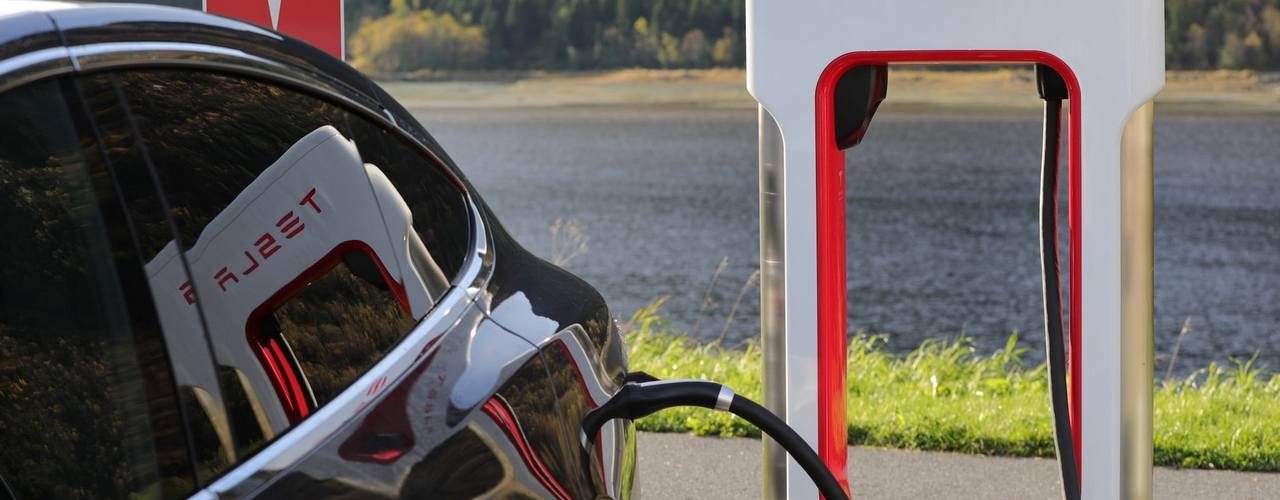
HMRC has confirmed in legislation that electricity supplied through publicly accessible electric-vehicle charging points is not supplied for domestic use. The same rule applies to charging points available to employees and contractors at a workplace. The legislation takes effect on 1 November 2026 and gives statutory force to HMRC’s longstanding policy that these supplies are standard-rated for VAT. The measure also clarifies Climate Change Levy treatment. Because electricity for domestic use is outside the levy, the legislation expressly provides that public and workplace charging is not domestic for levy purposes. The stated objective is consistent accounting by charge-point operators and
businesses. The boundary with residential charging remains important. Electricity used to charge a vehicle as part of a general electricity supply to a home may continue to qualify for domestic relief. HMRC also recognises that a separate supply through a stand-alone charger dedicated to a particular dwelling, residential building or relevant residential-purpose building may qualify. The contractual supply chain, premises and intended use therefore matter. Industry commentary focuses on the continuing tax gap between public and home charging. Zapmap’s analysis describes the difference between standard-rated public charging and lower-rated domestic energy, while Budget reporting confirms that the government chose to
preserve standard rating for public and workplace chargers. These policy debates do not replace the legal classification effective from November. Operators should review contracts, tariff structures and receipts. Charging arrangements may combine electricity, connection fees, parking, roaming, membership or other services, and the VAT treatment should follow the actual supply structure rather than a single label. Employers should assess workplace charging, employee reimbursement, fleet charging and any onward supply separately. Tax determination should identify charger location, accessibility, customer type and residential or charity status. Businesses should also retain evidence supporting input-tax recovery and ensure expense platforms capture compliant invoices rather.
Official sources: HMRC Revenue and Customs Brief 13
External articles: Zapmap: EV charging VAT analysis | EV Powered: Budget keeps public charging at standard rate
Latest Posts in "United Kingdom"
- HMRC Publishes VAT Compliance Guidelines for Cryptoasset Businesses and Marketplaces
- Tapi Carpets Wins £13.5 Million VAT Case on Disclosed Agency for Flooring Fitters
- HMRC Ends Jumbo-Marshmallow Appeal After Tribunal Finds Product Not Normally Eaten with Fingers
- UK Supreme Court Will Review Fiscal Neutrality in Higher-Education VAT Exemption
- UK Tribunal Denies Luxury-Goods Input Tax Where Evidence Does Not Show VAT Charged