Summary
-
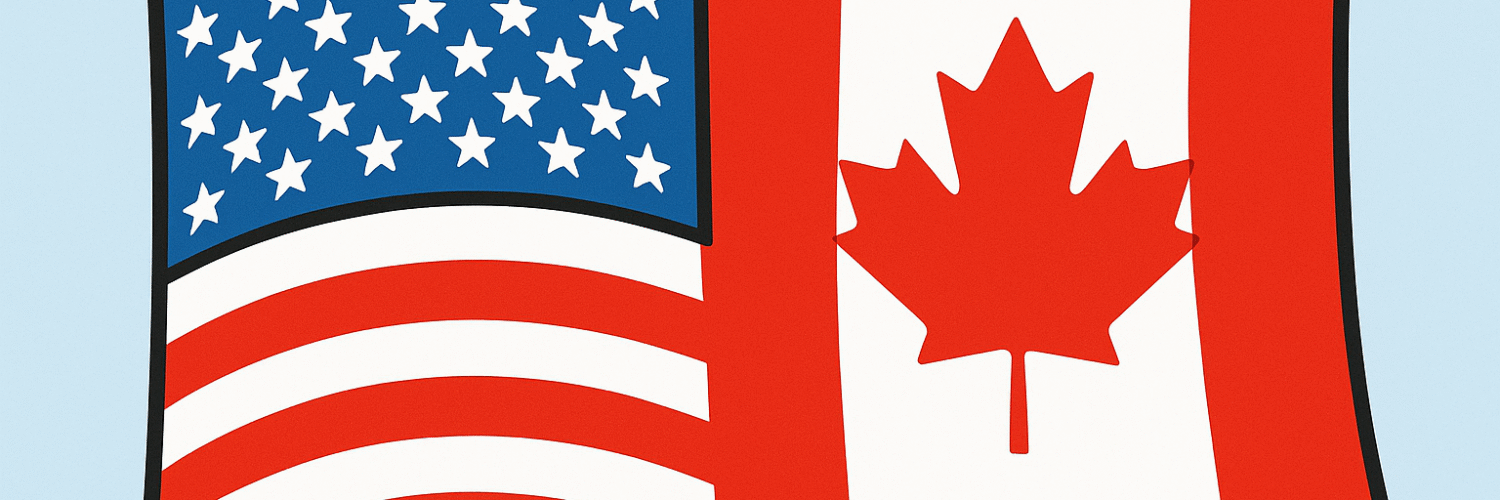
The United States has temporarily suspended additional 50% duties that were scheduled to apply from 19 August 2026 to specified Canadian goods. The tariffs, adopted under Section 338 of the Tariff Act of 1930, were postponed through the end of 21 August while the two governments sought to finalize trade arrangements. [whitehouse.gov], [pm.gc.ca]
-
The measures concern designated products linked to U.S. complaints regarding Canadian treatment of alcoholic beverages, dairy products and motor vehicles. The underlying proclamations were designed to apply even where covered goods qualified as originating under the USMCA, making the temporary suspension particularly important for otherwise preference-eligible Canadian exports. [whitehouse.gov], [reuters.com]
-
Businesses should not interpret the three-day suspension as a cancellation. Importers should verify entry dates, HTS classifications and product coverage, retain documents supporting Canadian origin and USMCA status, and prepare for duties to become payable if no further proclamation or finalized agreement extends or replaces the temporary relief. [whitehouse.gov], [whitehouse.gov]
Article
On 18 August 2026, the United States issued a presidential proclamation temporarily suspending additional 50% tariffs on selected imports from Canada. The duties had been scheduled to take effect at 12:01 a.m. Eastern Time on 19 August but were postponed until the end of 21 August 2026 while the United States and Canada continued negotiations. [whitehouse.gov], [pm.gc.ca]
The tariffs were originally announced on 20 July 2026 through three proclamations issued under Section 338 of the Tariff Act of 1930. They target specified Canadian products in response to U.S. allegations of discriminatory or unequal Canadian treatment affecting American alcoholic beverages, dairy products and motor vehicles. The White House stated that the measures covered a broader range of tariff classifications associated with those disputes, while excluding areas such as energy, potash, certain critical minerals and products already subject to specified Section 232 measures. [whitehouse.gov], [whitehouse.gov]
A notable feature of the original measure is that the additional tariffs were intended to apply to covered Canadian products regardless of whether they satisfied the preferential origin requirements of the United States-Mexico-Canada Agreement. Consequently, USMCA qualification alone would not protect an in-scope shipment from the Section 338 duty. The detailed tariff coverage is determined through the applicable Harmonized Tariff Schedule provisions and annexes rather than through broad commercial product descriptions. [whitehouse.gov], [whitehouse.gov]
The temporary suspension followed intensive bilateral discussions. The U.S. administration stated that the parties had reached an understanding subject to final documentation and referred to prospective commitments involving market access, economic security and digital trade. Canada adopted more cautious language, reporting “substantial progress” while emphasizing that important work remained outstanding. The precise terms of any final agreement had not been publicly confirmed when the suspension was announced. [reuters.com], [pm.gc.ca]
For customs purposes, the short duration of the suspension creates significant timing and systems issues. Importers should determine when merchandise is entered for consumption or withdrawn from warehouse, rather than relying solely on the shipment, export or arrival date. They should also map affected merchandise against the exact HTSUS provisions in the proclamations and confirm whether exclusions or other tariff measures apply.
Companies should avoid assuming that the duties have been permanently withdrawn. Purchase orders, customs instructions and landed-cost models should provide for both outcomes: a further extension or negotiated replacement, and the activation of the 50% duty after the suspension expires. Customs, procurement, treasury and pricing teams should coordinate closely, particularly for goods already in transit or held in bonded warehouses.
Source Links
- White House Proclamation: Temporary Suspension of Additional Duties, 18 August 2026 [whitehouse.gov]
- White House Fact Sheet: Additional Tariffs on Canada, 20 July 2026 [whitehouse.gov]
- Prime Minister of Canada: Official News Feed and Statement on Canada-U.S. Negotiations [pm.gc.ca]
- Reuters: United States Pauses 50% Tariffs on Canadian Goods [reuters.com]