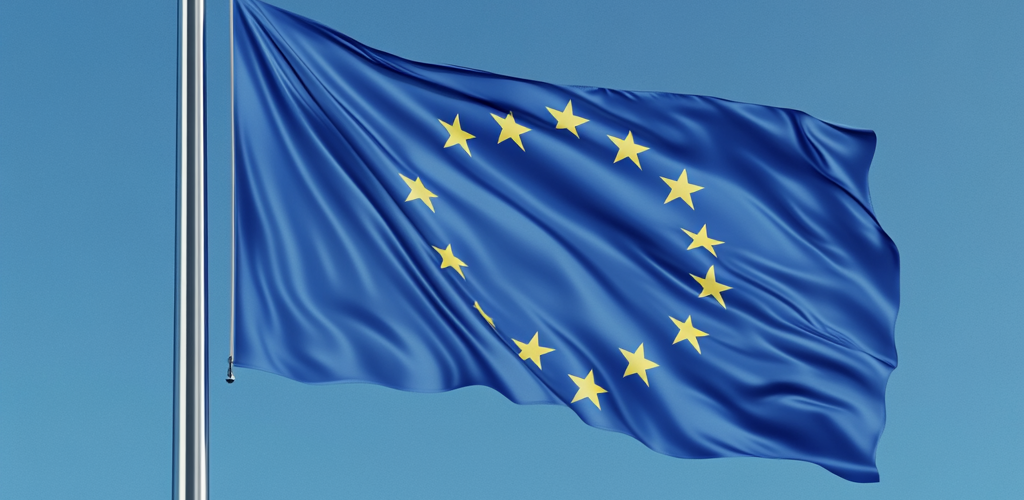
- Call for Evidence: The European Commission has launched a call for evidence to gather stakeholder input on refining the Carbon Border Adjustment Mechanism (CBAM) rules regarding emission calculation methodologies, adjustments for free allocation, and recognition of carbon pricing in third countries, with the definitive CBAM regime set to take effect in 2026 after a transitional phase from 2023 to 2025.
- Purpose of CBAM: Established as part of the European Green Deal, the CBAM aims to prevent carbon leakage by ensuring that imports from countries with less stringent emission regulations face the same carbon costs as EU production under the EU Emissions Trading System (EU ETS). Currently, it applies to sectors such as cement, iron and steel, aluminum, fertilizers, electricity, and hydrogen.
- Target Audience: The consultation seeks input from a broad range of stakeholders, including EU and non-EU businesses affected by CBAM, national authorities responsible for its implementation, third-country authorities with carbon pricing instruments, and academic institutions, to enhance clarity, legal certainty, and overall effectiveness of the CBAM regulat
Source Orbitax
See also
- Carbon border adjustment mechanism (CBAM) methodology for the definitive period starting on 1 January 2026
- CBAM certificates – adjustment of obligation to surrender them to take account of free ETS allowances
- Carbon border adjustment mechanism (CBAM) – carbon price paid in a third country
Latest Posts in "European Union"
- CJ Rules on Customs Valuation for Imports with Provisional Prices: Tauritus Case (C-782/23)
- EDPS Opinion on EPPO and OLAF Access to VAT Data for Combating EU Fraud
- EU Agrees on Temporary €3 Customs Duty for Low-Value E-Commerce Parcels from July 2026
- New InfoCuria case-law database and search tool
- New General Court VAT case – C-903/25 (Grotta Nuova) – No details known yet