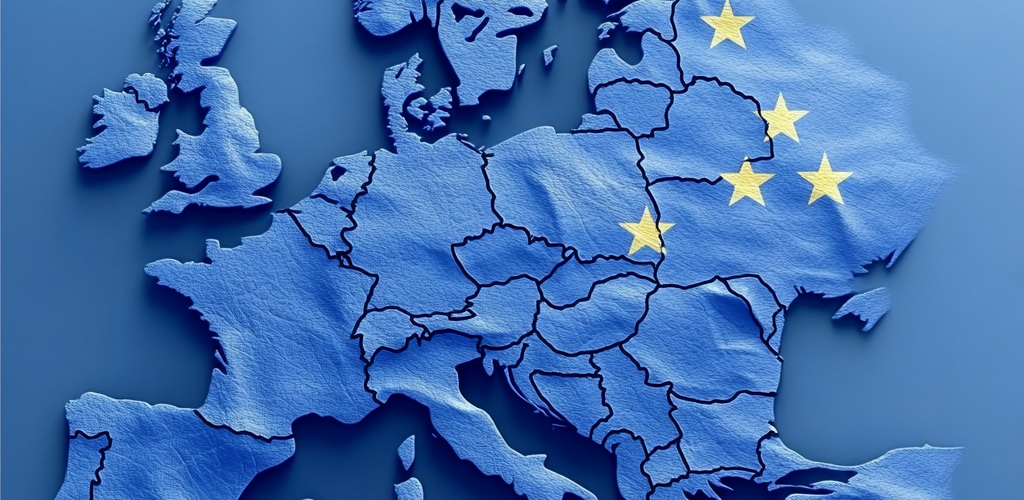
- The VAT gap, comprising a “compliance gap” (unpaid VAT) and a “policy gap” (foregone VAT due to policy choices), is calculated using a “top-down consumption approach” based on national accounts.
- The 2025 report shows the compliance gap steadily declined for nine years, including during COVID-19 due to consumption shifts and increased electronic payments, but has slightly risen in 2022-2023.
- Digital reporting tools like SAF-T and e-invoicing have significantly reduced the compliance gap (e.g., a 3-percentage point average reduction for SAF-T), indicating their effectiveness in improving VAT collection.
Source VATvocate.com
Latest Posts in "European Union"
- Blog Part 4: The Cost Reality of ViDA: What CFOs Should Budget, Challenge and Avoid
- Amendments to EU Regulation: EPPO and OLAF Access to VAT Information for Combating Cross-Border Fraud
- CJEU Clarifies VAT Rules: Loyalty Points Are Not Vouchers Under EU Law
- ECJ C-167/26 – ECJ will review EGC Case T-689/24 RX – VAT deduction and invoice timing
- E-Invoicing & E-Reporting Explained: EN16931 – European E-Invoicing Standard