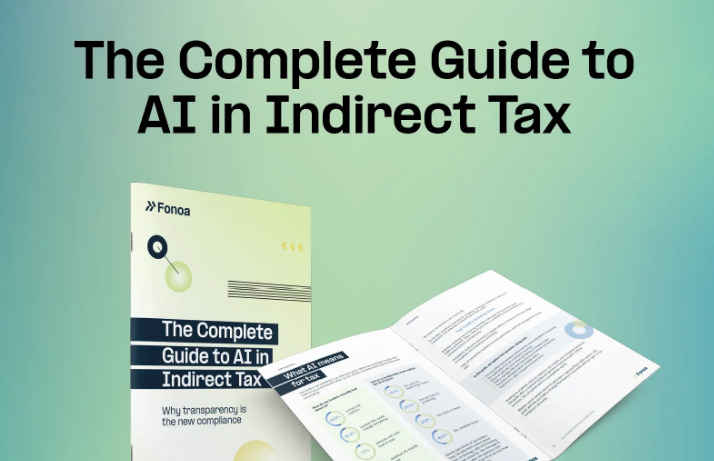
- Understanding AI Logic in Tax Compliance: The guide emphasizes the shift from deterministic logic, which relies on fixed rules, to probabilistic reasoning used by AI. This fundamental change affects how tax decisions are made and necessitates new risk controls and accuracy measurements.
- Identifying AI Suitability and Building Controls: It outlines a three-tier framework for determining where AI can be effectively applied, distinguishing between processes that require high precision and those that benefit from AI’s capabilities in anomaly detection and pattern analysis. Additionally, it stresses the importance of robust controls to ensure compliance and transparency, including confidence scores and governance frameworks.
- Implementation Roadmap for Responsible AI Deployment: The guide provides a practical checklist for implementing AI in tax operations, focusing on strategic deployment rather than blanket application. It encourages tax leaders to educate their teams, map processes, and track relevant metrics to leverage AI’s benefits while maintaining necessary compliance rigor.
Source Fonoa
Click on the logo to visit the website