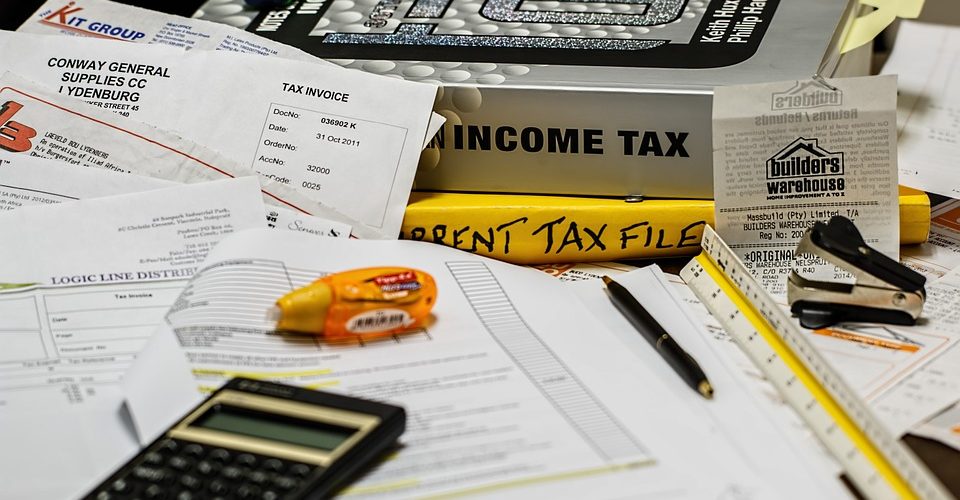
VAT is a consumption tax imposed at each stage of the supply chain. A VAT invoice is an essential document that enables businesses to charge VAT on taxable supplies. Businesses registered for VAT are required to include VAT on their invoices when selling goods or services. The rules on collecting VAT for goods and services sold to EU clients/customers can be complex and vary depending on the nature of the goods/services and whether the customer is a business or consumer.
Source Fonoa
Click on the logo to visit the website
Latest Posts in "World"
- Avoiding Common E-Invoicing Data Errors: Ensuring VAT Compliance Across Multiple Jurisdictions
- The Future of Tax Control: Embracing Real-Time Compliance and Interoperability in a Digital World
- Fintua Achieves SOC 2 Type II Compliance, Strengthening Data Security for VAT Solutions
- eInvoicing in Practice: Real-World Lessons and Challenges for 2026 Implementation
- 2026 eInvoicing: Transforming VAT Recovery Through Digitalization and Automation