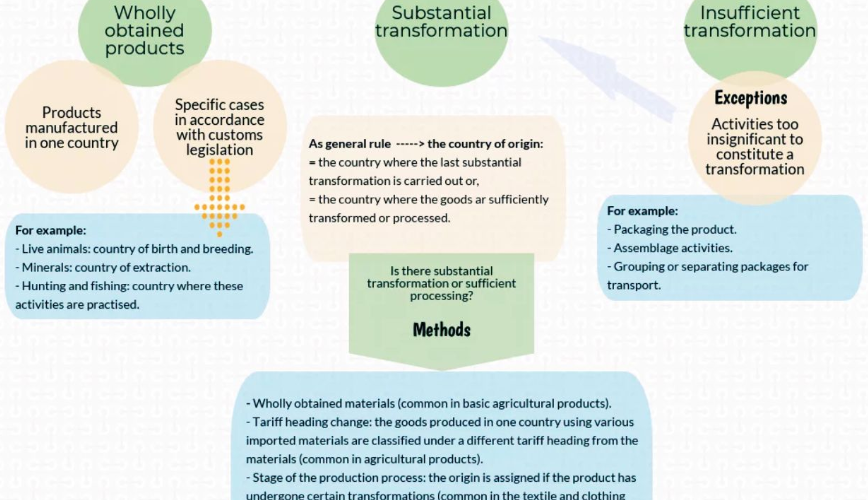
Tariff classification is crucial for businesses involved in international trade. It helps prevent undervaluation of goods, avoids fines and penalties, and ensures compliance with customs authorities. The World Customs Organisation (WCO) has developed a Harmonised System (HS) that is used by over 200 countries to achieve uniform tariff classification. The HS system helps lower the costs of international trade by harmonising trade and customs procedures. The HS codes vary in length, with 6 digits being the global standard, but some regions require codes up to 10 or 12 digits for imports. For exports, an 8-digit code is typically required.
Source Ella L.
Latest Posts in "World"
- 63 Country Profiles on E-Invoicing, E-Reporting, E-Transport, SAF-T Mandates, and ViDA Initiatives
- Latest Trends in Global VAT Compliance for Online Businesses in 2026
- EU PINT Billing: Electronic Address Scheme Codes and Identifiers for Credit Note Transactions
- Achieving No-Touch Tax: Evolving Infrastructure for Real-Time Compliance and Future-Proof Operations
- Maximizing ROI: What Sets Successful AI Agents Apart in Accounts Payable Automation