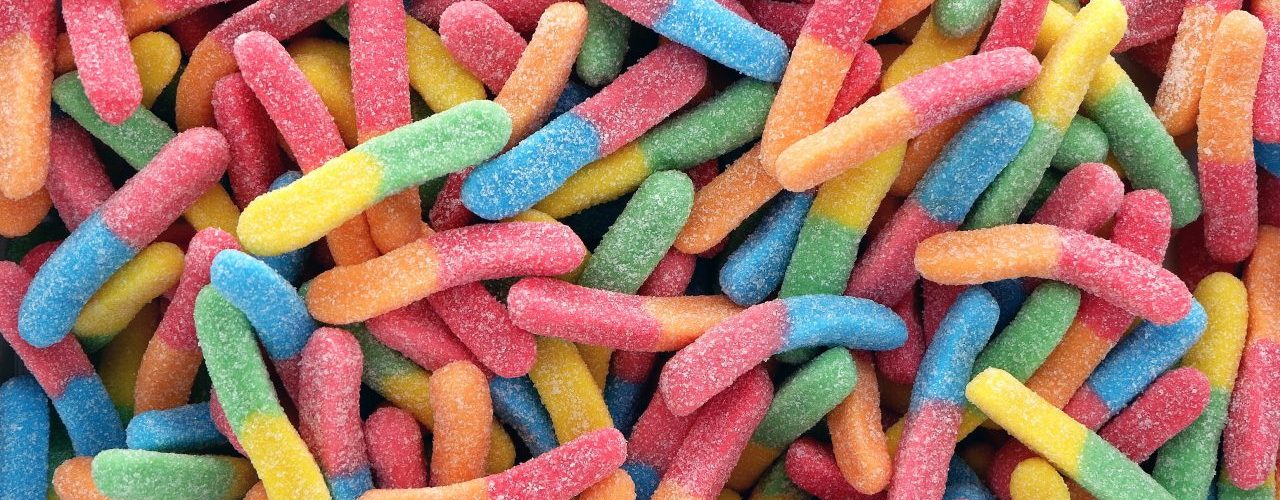
Our Halloween-month look at tricky items concludes with a natural: candy.
Consumers are expected to spend more than $3.1 billion on candy this Halloween. (Did you know a kid would have to play full-court basketball for more than 14 straight hours to burn off all the calories in a typical Halloween candy haul?)
Remember when you were a kid and you thought candy was food? Then you grew up and realized it wasn’t? States are like that, too: sometimes candy is considered food (groceries) for sales tax purposes, sometimes it’s not and sometimes it’s somewhere in between. In many states, for instance, liquor-filled candy – which admittedly few are going to give to kids on Halloween – can be taxed differently than regular candy. Flour in candy can also result in a different sales tax treatment depending on the state.
So where and when do you charge sales tax on candy?
Source: taxconnex.com
Latest Posts in "United States"
- The Supreme Court’s IEEPA tariffs ruling is coming
- California Faces New Wave of Local Sales Tax Hikes Amid Legal Loopholes and Voter Confusion
- New Hampshire Launches Tax Amnesty Program Covering Multiple Tax Types, Waives Penalties and Reduces Interest
- Nevada Moves Sales and Use Tax Return Due Date to the 20th of Each Month
- How Environmental Fees Complicate Sales Tax Compliance for Businesses and Increase Audit Risks