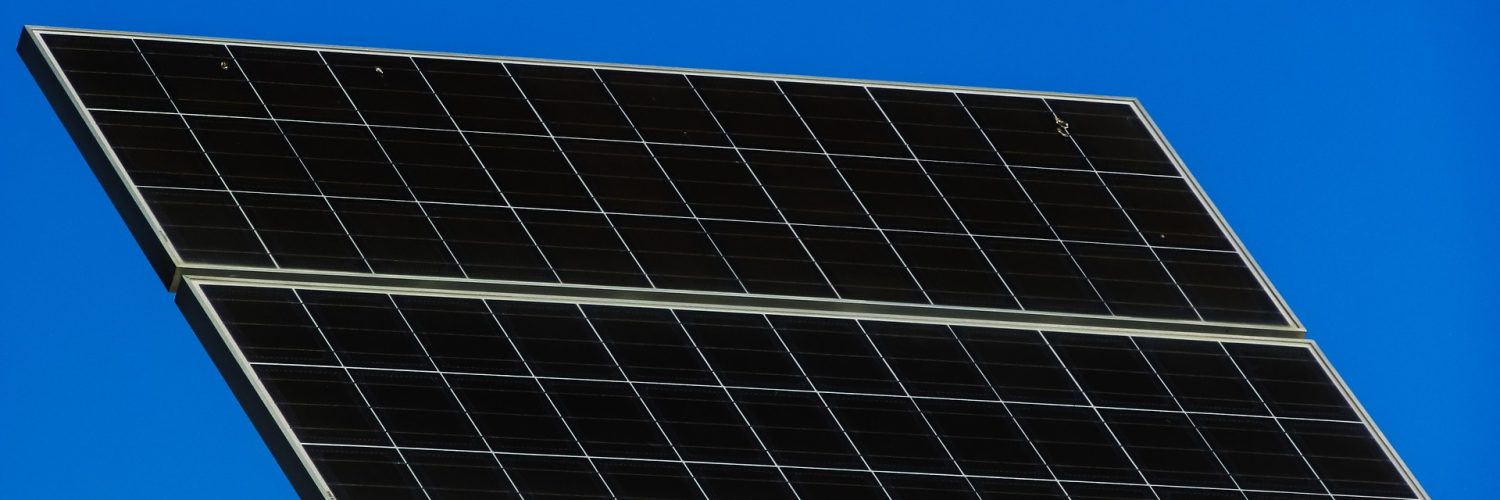
The housing company bought electricity from the electricity company for the use of the property. In addition, it produced electricity with its own photovoltaic equipment, so that photovoltaics were used in the common areas of the housing company. Solar electricity in excess of this use was distributed to the locations behind the access point to the real estate network, ie to the shareholders of the housing company. The housing company sold the surplus electricity to the electricity company. Surplus electricity meant the excess electricity that was produced by the housing company’s photovoltaic equipment and which was not used in the housing company’s common areas or in the apartments managed by the shareholders. Surplus electricity was generated, for example, on very sunny days when a large proportion of residents were away from home.
The Supreme Administrative Court held that, on the basis of the overall assessment, the occasional and insignificant sale of surplus electricity by a housing company in the circumstances described in the order for reference should not be regarded as a business within the meaning of section 1 of the VAT Act. The housing company was therefore not required to pay VAT on the sale of surplus electricity.
Source: kho.fi
Latest Posts in "Finland"
- VAT Treatment of Telecare Device Rental and Alarm Center Services as Separate Supplies in Social Welfare
- Parking Rights Transfer Within VAT Group Not Subject to VAT in Finland, 2025–2026
- SAC Rules Wind Power Project Transfer Qualifies as Going Concern for VAT Purposes
- Finland to End Intrastat Arrivals Reporting Requirement from 2026 for EU Imports
- Finland Clarifies VAT Rules for Safety Phone Rental and Security Call Center Services