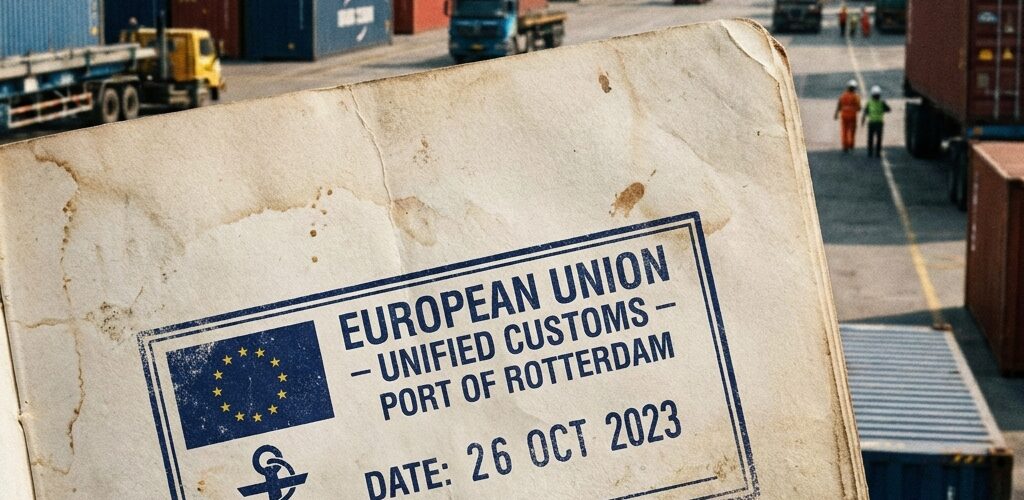
- The EU customs reform entered into force on 20 September 2026 to modernize customs, increase digitalization, and better address e-commerce imports from outside the EU.
- E-commerce platforms and non-EU sellers shipping directly to EU consumers are treated as importers, must provide customs data, pay or guarantee duties, and ensure compliance with EU rules; noncompliance can trigger fines of 1% to 6% of the prior 12 months’ imported goods value.
- Compliant import/export businesses may use a simplified “Trust and Check” regime, with fewer customs inspections and more flexibility in paying duties and fees, subject to audit and system access for customs.
- An EU-wide handling fee for small consignments will be introduced by 1 November 2026 at the latest, with the amount set by the European Commission and adjusted every two years.
- A new EU Data Hub and EU Customs Authority will centralize customs data; the system will be optional from 2031 and mandatory by 2034, improving declarations and customs risk analysis.
Source: nwb-experten-blog.de
Note that this post was (partially) written with the help of AI. It is always useful to review the original source material, and where needed to obtain (local) advice from a specialist.
Latest Posts in "European Union"
- Late “Reverse Charge” Invoice Cannot Activate EU Triangular VAT Relief Retroactively
- VAT legislation in the European Union – VAT Directive and Implementing Regulation, VAT Laws of the EU Member States
- Commission to grant temporary trade preferences to support Armenian exports to the EU
- EPPO Dismantles €410 Million VAT Fraud Ring in Eight-Country Raids
- Comments on T-773/25: EU Court Rules Late Reverse-Charge Wording Does Not Retroactively Activate Triangulation Simplification